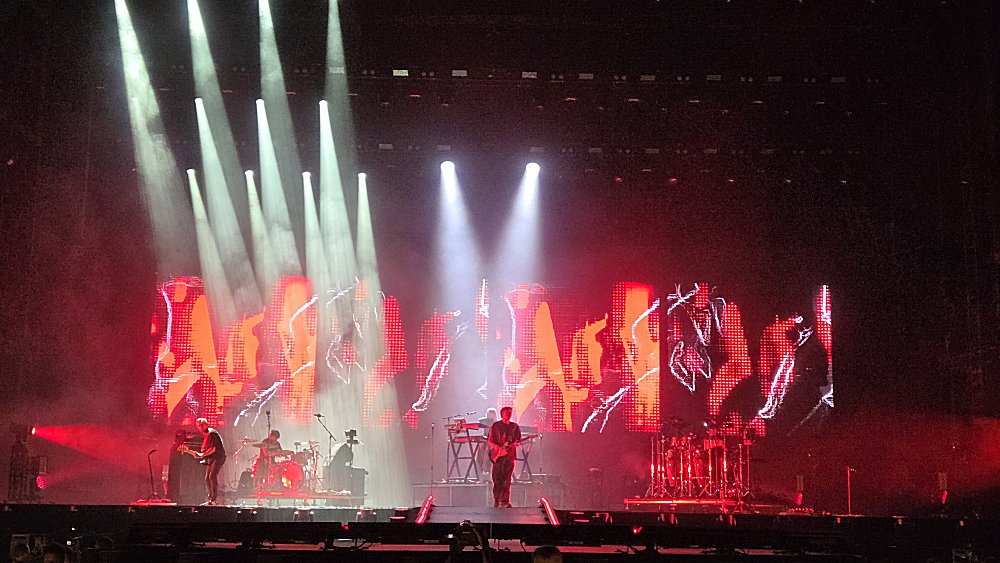
Some in the audience had been dancing to their music since the 1990s, while for others, this was their first chance to see them perform live.
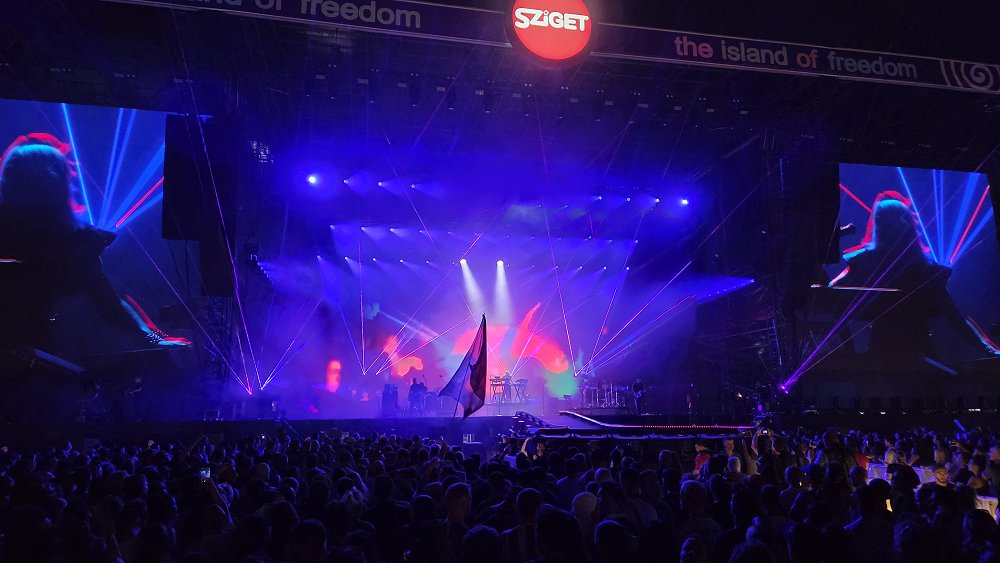
On Sziget’s Day 0, Goran Bregović, Morcheeba and Faithless brought not only three very different musical worlds to Óbuda Island, but also a very special audience.
The day felt a little as though Sziget had turned back the clock. Instead of the latest pop hits and current TikTok favourites, the spotlight was on three acts whose names have been familiar to Hungarian audiences for decades: Goran Bregović, Morcheeba and Faithless.
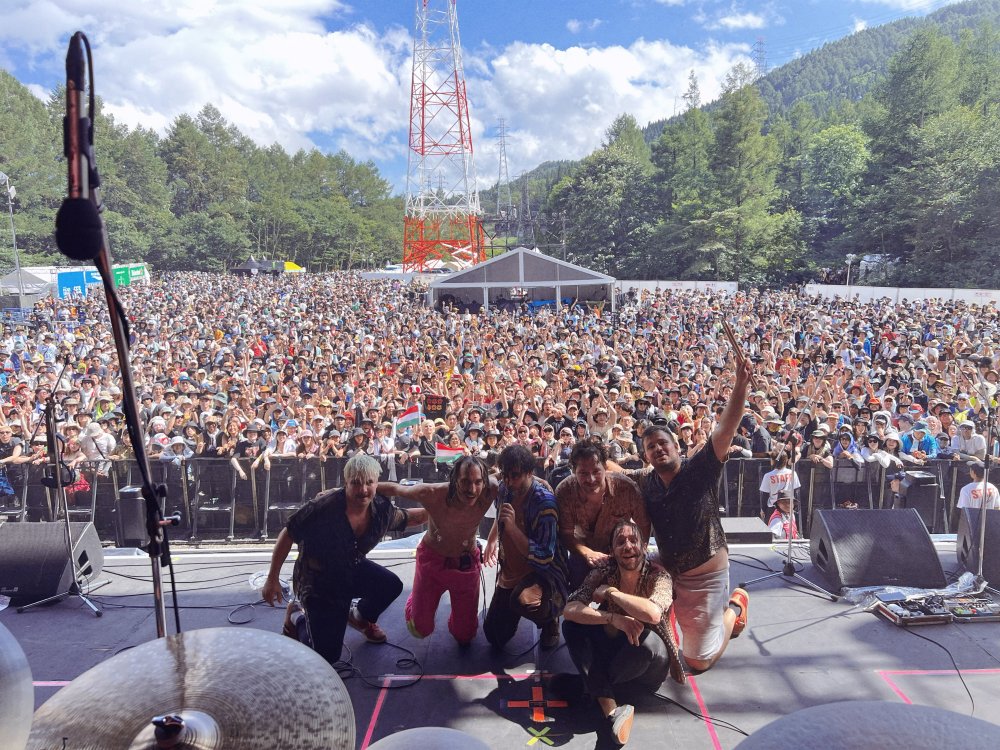
And a special programme called for a special audience. The evening had a noticeably more relaxed, almost family-like atmosphere, with a striking number of festivalgoers in their 30s and 40s – many of them arriving with their own children. Day 0 therefore became more than simply an extra festival day; it turned into a kind of generational reunion. Those who had partied here twenty or twenty-five years ago could return to Sziget, while their children were experiencing for the first time what it feels like to dance alongside their parents at a major festival.
Goran Bregović: when Sziget turned into a Balkan wedding
The evening kicked off with Goran Bregović and his nine-piece band, bringing trumpets, saxophones and that unmistakable Balkan energy that has made Bregović a regular visitor to Hungary for decades.
There was no huge crowd in front of the Main Stage at the beginning, and the 35°C heat was hardly ideal for dancing in the afternoon. But once the music started, the area gradually filled up. With Bregović, it is difficult to simply call it a “concert”. Instead, it turned into one huge open-air Balkan wedding, where sooner or later the audience had no choice but to dance.
This was Bregović’s sixth appearance at Sziget. He first played on Óbuda Island in 2006 and most recently performed for Hungarian audiences in 2025.
One of the biggest reactions from the crowd came during Ederlezi. In Hungary, the song is particularly strongly associated with Magdi Rúzsa’s performance, bringing back very different memories for many people than those associated with a Bregović song alone.
Morcheeba: a different Sziget, the same audience
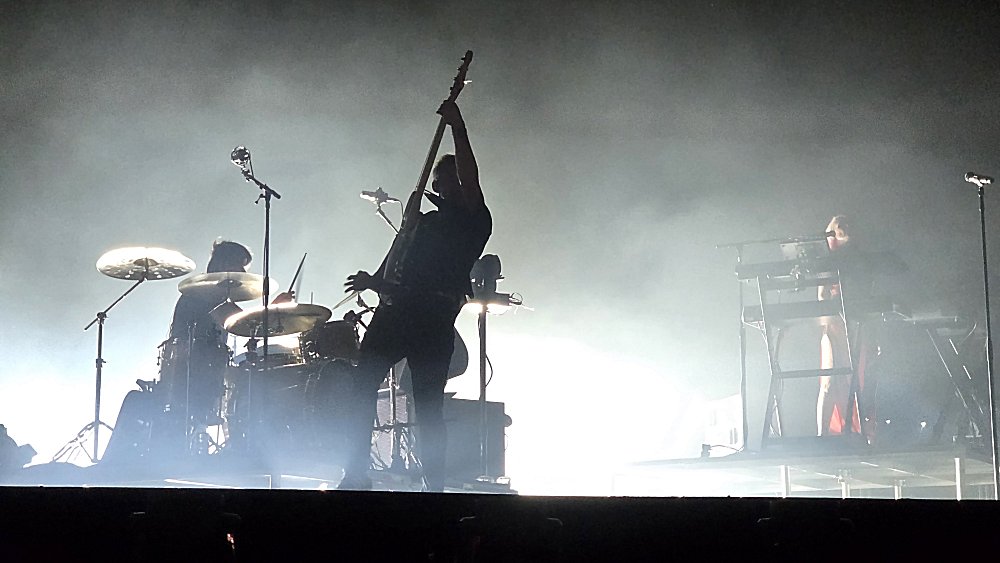
After the Balkan celebration came a completely different atmosphere. Morcheeba’s performance evoked the feeling of a smoky late-night club, creating a much slower, more melancholic and intimate world.
It was a particularly significant return for the British band: their first Sziget appearance was back in 2001, almost a quarter of a century ago. This year’s performance marked what was reportedly their 13th appearance in Hungary.
By then, the crowd in front of the Main Stage had grown considerably. Some had perhaps just arrived from work, while others had already been at Sziget for hours, but Morcheeba’s music quickly brought everyone together.
Skye Edwards’ elegance and distinctive voice were a perfect match for the atmosphere. One of the evening’s most charming moments came when the singer revealed that she had made the outfit she was wearing herself, and she repeatedly expressed how happy she was that the band had been invited back to Sziget.
Faithless: when the old classics came back
The biggest anticipation of the day undoubtedly surrounded the return of Faithless. The British electronic act has been part of the music scene for more than three decades and has built a huge following in Hungary.
They first came to Sziget back in 1999, when the festival was still known as Pepsi Sziget. They have returned several times since, making this year’s performance much more than just another concert for many fans – it was a chance to relive a piece of their own youth.
After Morcheeba, the crowd visibly began moving towards the Main Stage, but the first Faithless beats quickly drew even more people back in.
And then came the classics. Insomnia, God Is a DJ and We Come 1 instantly brought together a generation that first discovered these tracks in clubs, at festivals, or on cassette tapes and CDs.
But this year’s Faithless comeback also had a more emotional dimension. Maxi Jazz, the band’s legendary frontman, died in 2022. The current line-up continues the Faithless story while clearly keeping his memory alive. Images and animations of Maxi Jazz appeared on the screens during the performance, while songs from the band’s new era, including tracks from their 2025 album Champion Sound, represented the next chapter of Faithless.
It wasn’t just the musicians who returned
In the end, perhaps the most interesting participant of Day 0 was the audience itself.
This time, Sziget was not aimed exclusively at festivalgoers in their twenties. In front of the Main Stage stood a generation that had been young and partying when Faithless first played at Sziget – and who had now returned to the same place with their own children.
That was perhaps the strongest message of the evening: the festival experience can be passed down from one generation to the next.
Those who once danced to Faithless or Morcheeba in the dust of Sziget could now show their children the same place and introduce them to the same songs. The younger generation, meanwhile, could discover these artists while hearing completely different personal stories and memories from their parents.
And that is what made Day 0 both nostalgic and fresh.
Bregović brought the spirit of a Balkan celebration, Morcheeba created an intimate club atmosphere, and Faithless delivered the collective euphoria of electronic music. Three completely different worlds, connected by one thing: the Sziget audience, which came together across generations to dance.
And perhaps that is exactly what made this Day 0 feel so unmistakably Sziget.